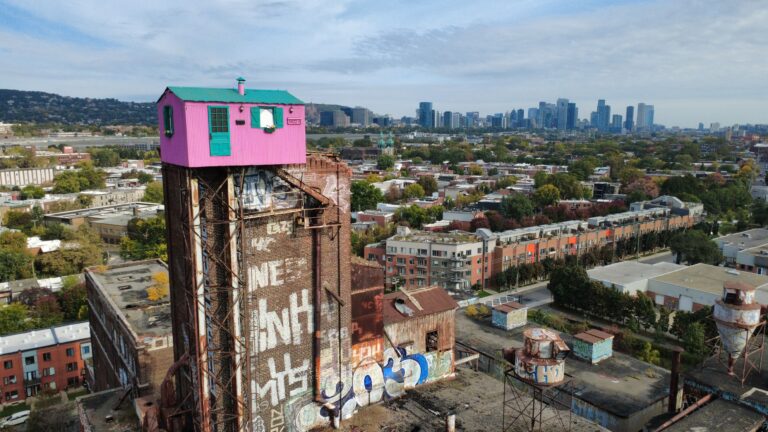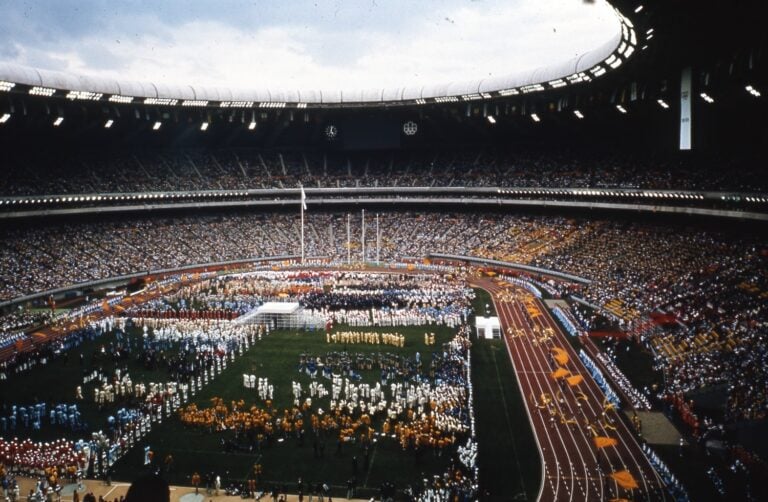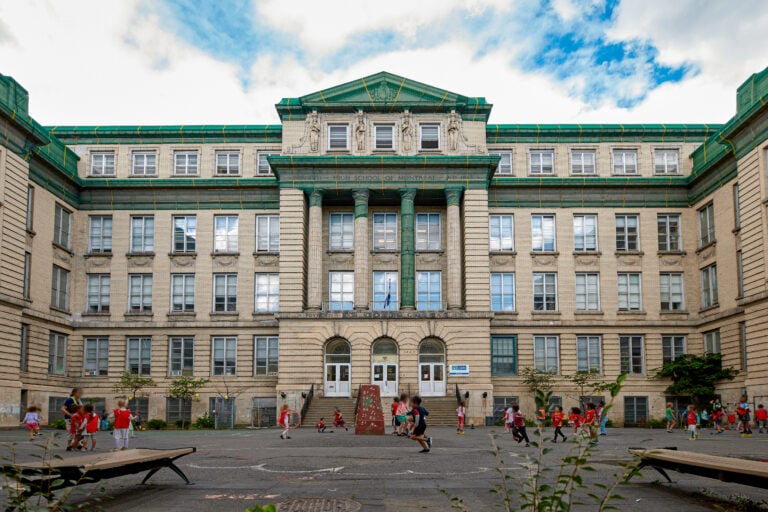
Héritage Montréal highlights the conditions needed to safeguard and enhance built heritage through adaptive reuse.
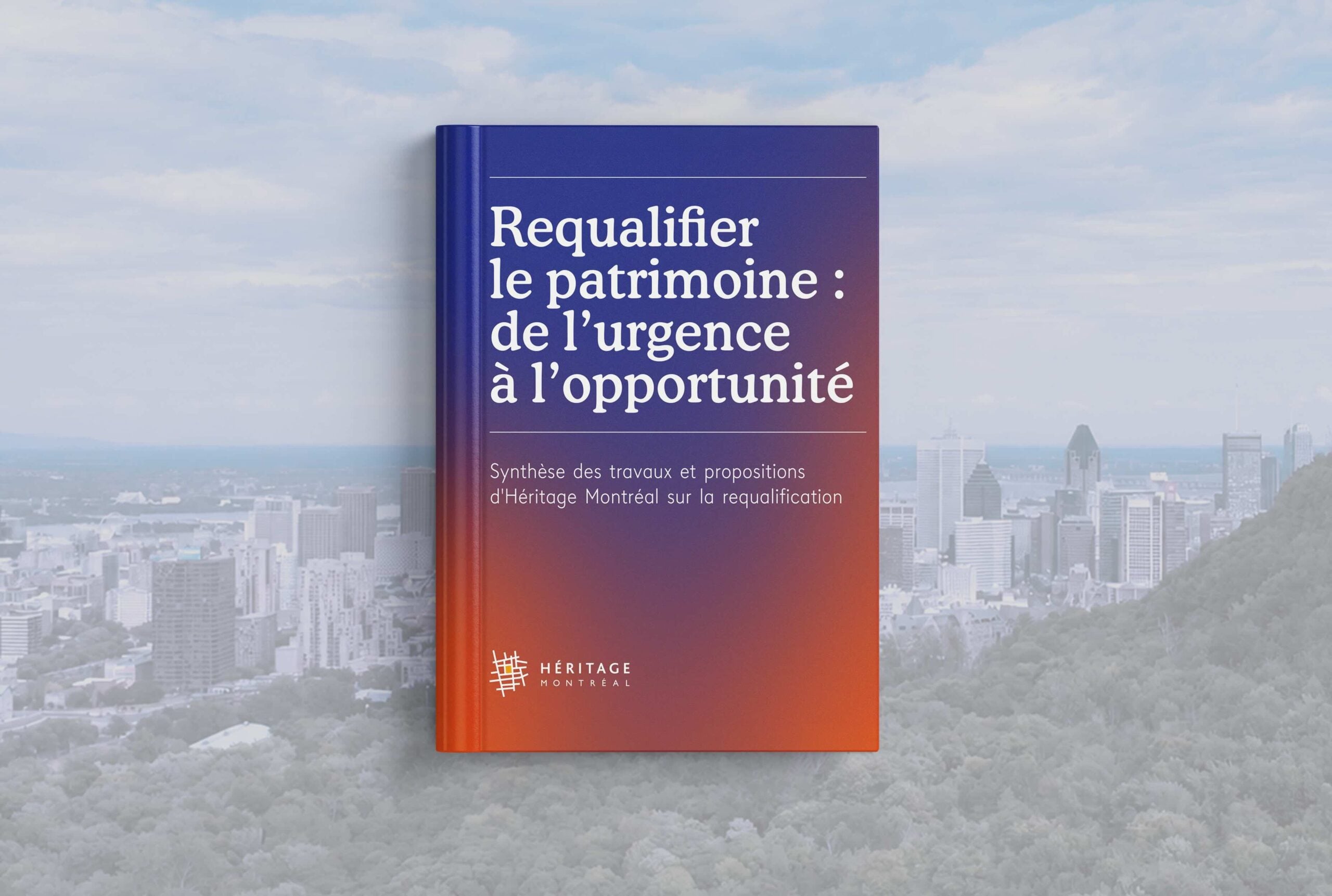
Montreal, May 20, 2026 — The Héritage Montréal Foundation is releasing today, Requalifier le patrimoine : de l’urgence à l’opportunité, a report summarizing its work since 2023 on the adaptive reuse of historic buildings and heritage complexes.
Development and land-use planning have long relied on new construction. Today, we must contend with an unavoidable reality: most of tomorrow’s built and planned environment already exists. In a context shaped by an aging building stock, demographic change, and the pursuit of a socio-ecological transition, the challenge is no longer simply to protect buildings of interest through designation, but to care for them and ensure their long-term viability by keeping them in good condition, well occupied, and actively contributing to collective life.
From this perspective, heritage is no longer merely something to be preserved: it becomes a lever for action to strengthen and adapt our living environments through a genuine sustainable development approach.
A clear finding: the current approach and system must evolve
Conducted through consultations with a diversity of actors and organizations, as well as roundtables and public assemblies, Héritage Montréal’s work has led to a central finding: current conditions do not support the adaptive reuse of built heritage. On the contrary, they tend to disqualify this vast heritage asset, which recent Quebec-wide inventories estimate includes tens of thousands of buildings, nearly 80,000 in Montreal alone.
Regulatory frameworks, funding mechanisms, administrative procedures, and professional practices remain largely designed for new construction and are poorly suited to the transformation of existing buildings. This situation discourages or slows down projects, increases their complexity and costs and, in some cases, compromises their completion.
Four priority levers for action
The document identifies the following four issues. These are interconnected and form a whole that will need to evolve in a coherent and concerted way to support the shift toward requalification, by fostering projects that are both feasible and successful.
- Codes and standards: adapt requirements to the realities of existing buildings, particularly heritage buildings
- Funding: develop tools adapted to the design and implementation of adaptive reuse projects
- Procedures: simplify and better coordinate project support and evaluation
- Expertise: strengthen skills and training, share experiences, and ensure succession planning
Changing how we view our heritage: from artifacts to be preserved to a vast asset to be enhanced
Beyond tools, the process calls for a shift in perspective. Built heritage should no longer be seen only as buildings or sites that society must preserve as witnesses to its history. The thousands of heritage buildings and ensembles that shape Quebec’s territory, from its regions to the neighbourhoods of the metropolis, constitute a vast strategic asset for addressing contemporary social, economic, and environmental challenges. This asset remains largely neglected.
Adaptive reuse thus emerges as a concrete response to the issues and needs of:
- housing, community spaces, and public spaces
- deterioration, disuse, and vacancy within the built environment
- maintenance deficits affecting public, community, and private heritage
- pressure on land and territory
- vitality, attractiveness, and quality of living environments
- environmental challenges, decarbonization, reuse, resource use, and more.
A collective process rooted in the field
For Héritage Montréal, the adaptive reuse of built heritage is a defining issue for the decades ahead. This synthesis, prepared under the direction of Taïka Baillargeon, is the result of work carried out as part of Héritage Montréal’s 50th anniversary, bringing together a diversity of actors from professional, municipal, community, and institutional sectors.
Roundtables, a study day, and thematic working groups made it possible to bring together expertise and identify a shared vision of the challenges and possible courses of action.
A reference document for what comes next
This synthesis aims to raise awareness of the opportunity represented by this vast undertaking but, above all, to identify the challenges and obstacles hindering the adaptive reuse of the existing built environment, and to put forward proposals, avenues, and directions to change this situation and support a shift we cannot afford to forgo.
With this document, Héritage Montréal seeks to contribute to a shared understanding of the issues and to support the evolution of practices in the adaptive reuse of built heritage.
“We can no longer afford to waste the rich heritage that shapes the identity of Quebec and its communities. We must remove the barriers and put in place the conditions that will foster the mobilization of stakeholders and the multiplication of adaptive reuse projects. For the good of our society, our living environments, and their development.”
— Dinu Bumbaru, Director of Policy, Héritage Montréal
About Héritage Montréal
Héritage Montréal works to protect and promote the architectural, historical, natural and cultural heritage of Greater Montreal. Acting at the heart of a vast network of partners, Héritage Montréal, a private non-profit organization, acts through education, representation and concerted action to publicize, enhance and enrich the identity and uniqueness of Greater Montréal, the demographic and economic heart of Quebec and home to the largest collection of heritage assets in the country.
Media contact
Anthony Plagnes Payá, Chief Communications Officer
communications@heritagemontreal.org
514 286-2662 x27